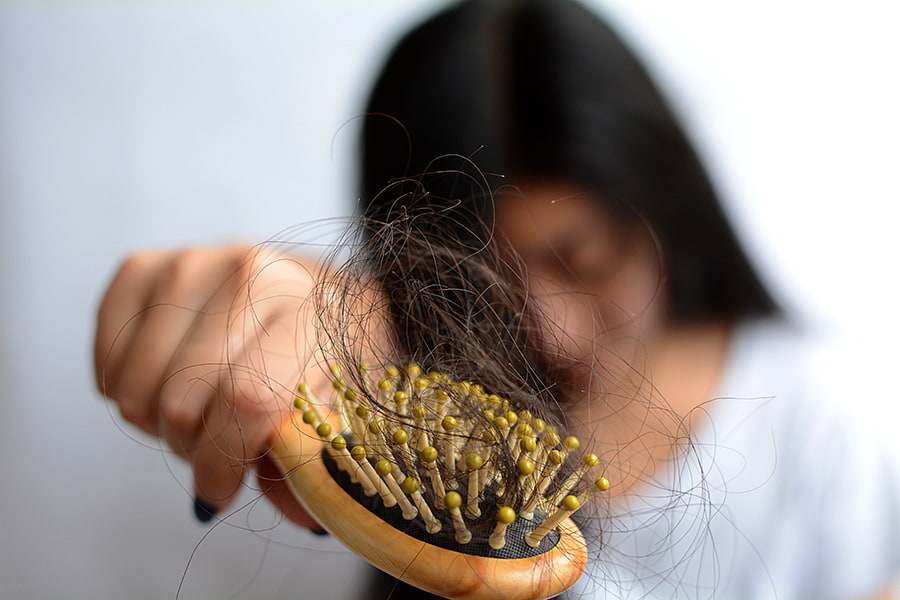
Is your hair shedding, breaking or doing both?
A few hairs on your pillow can be easy to ignore. A brush full of strands may leave you wondering whether you need a new shampoo or a hair-loss treatment. The first step is to understand what is happening to your hair.
Hair shedding refers to strands released by the follicles from the roots. Hair breakage happens when a strand breaks along its length. Both can make your hair look thinner, but the causes and care needed can differ.
Understanding hair breakage vs shedding helps you recognise changes and seek suitable advice from Yun Nam’s hair-loss specialists.
What does normal shedding look like?
Hair goes through a natural growth cycle, including a resting phase followed by shedding. Losing around 50 to 100 hairs a day is generally considered normal.
The amount you notice in one wash depends partly on your routine. If you have not brushed or washed your hair for a while, loose strands may collect and come away together. Longer strands can also make a small clump look deceptively large.
Pay attention to sudden changes in your hair. Repeatedly finding more loose strands than usual, a widening parting or a ponytail that feels thinner are reasons to have your hair assessed.
What does hair breakage look like?
Hair breakage occurs along the lengths rather than at the roots. It often leaves shorter pieces, uneven lengths or frayed ends. You might even notice little progress in length despite not having a haircut recently, because strands keep breaking.
Look at your hair as a whole rather than jumping to conclusions from a single strand. Short hairs can also be new growth or part of a layered haircut. Repeated snapping and frayed ends provide more useful signs of damage.
Consider whether breakage is concentrated where you frequently use heat, tight hair accessories or chemical products. These details help your consultant understand which habits may be contributing.
Hair breakage vs shedding: The main differences
-
Where it happens: Shedding releases hair from the roots; breakage happens along the strand.
-
What you notice: Shed hairs are often full-length strands. Broken hairs tend to be shorter pieces with uneven or frayed ends.
-
What to review: Increased shedding calls for an assessment of possible triggers and your hair-loss pattern. Breakage calls for a review of heat, chemical treatments, detangling and styling.
-
What care involves: Care for excessive shedding depends on its cause. Care for breakage focuses on reducing further damage and handling fragile hair gently.
You can have both at the same time. For example, frequent colouring may contribute to breakage while a separate trigger increases shedding. Each concern needs appropriate care.

Review your hair-care habits
Frequent dyeing, repeated heat styling and tightly pulled hairstyles can damage your hair. In Singapore, tying your hair up to keep cool may be a daily habit, so check that your usual style does not pull tightly at the roots.
Gentle washing, suitable conditioner, less heat and looser styles can help reduce further damage. Focus on the habits that affect your hair most often.
Detangle your hair gently
Use a suitable detangling product if needed, then gently work through knots with a wide-toothed comb or an appropriate brush. Start at the ends and gradually work upwards instead of pulling roughly through tangled lengths.
Take your time around knots and avoid forcing a brush through resistance. The aim is to separate the strands without snapping them.
Review chemical treatments with your stylist
Before colouring, perming or straightening your hair, inform your stylist about recent treatments, including products used at home. This helps them assess your hair’s condition and recommend suitable services.
If your hair is already weak or prone to breakage, focus on caring for it before undergoing further chemical treatments. Reducing repeated damage gives you a better chance of retaining healthier lengths.
What can cause increased hair shedding?
Increased shedding can follow events such as illness, childbirth or significant stress. It may appear months after the trigger, which can make the timeline misleading. Our guide to stress-related hair shedding explains this delay.
A busy period does not automatically explain every change in hair volume. Yun Nam’s consultants review your concerns, hair-care habits and hair and scalp condition to help identify relevant contributing factors and recommend suitable care.
Gradual thinning can also be easily overlooked. Our guide to early signs of balding covers changes such as a receding hairline and widening parting.
What to share during your assessment
Tell your consultant when you first noticed the change, whether you see full-length strands or shorter broken pieces, and whether your usual hairstyle feels less full. Mention recent colouring, straightening, frequent heat styling or other relevant changes.
If you already have photographs showing the change, you can use them as a reference. You do not need to count every strand or prepare a daily record before seeking advice.

How Yun Nam helps with hair-fall concerns
Yun Nam offers customised herbal solutions based on a personal consultation and computerised hair and scalp analysis. The assessment helps the consultant understand your hair-fall concerns and recommend a programme suited to your condition.
Its Signature FASTGro™ programme brings together herbal care and progress reviews. Your consultant can explain how the recommended treatment addresses your needs and how to care for your hair between appointments.
If breakage is also present, gentle handling and changes to damaging styling habits remain important. Combining suitable daily care with a personalised programme keeps attention on both the hair you have and your longer-term hair-care goals. Explore Yun Nam’s hair and scalp treatments for more information.
Key Takeaways
-
Hair shedding releases strands from the roots; hair breakage occurs along their lengths.
-
Repeated short fragments and frayed ends may indicate breakage.
-
Pay attention to increased shedding and changes in hair volume or your parting.
-
Detangle gently and review repeated heat, tight styling and chemical treatments.
-
Seek advice from Yun Nam’s hair-loss specialists to understand your condition and suitable care.
Frequently Asked Questions
Can I have breakage and shedding at the same time?
Yes. Both can happen together, but they may have different causes and require different care. Tell your consultant about both short broken pieces and full-length strands.
When should I seek advice about increased hair fall?
Arrange an assessment if you notice a persistent increase in shedding, a widening parting or reduced hair volume. Yun Nam’s consultants can assess your hair and scalp concerns and recommend suitable care. Sudden bald patches or painful, inflamed skin also need medical assessment.
Will trimming my hair stop shedding?
A trim can tidy uneven ends and remove split ends. It does not address the reason hairs are shedding from the roots, so seek advice if you notice significant hair fall.
Will changing shampoo reduce hair fall?
Changing shampoo alone does not necessarily reduce hair fall. A shampoo may not address its root cause. A personalised assessment helps determine what care your hair needs.
Start by understanding the root cause
Understanding what contributes to your hair fall helps determine a suitable treatment plan. Book a consultation with Yun Nam for personalised advice and herbal care recommendations.