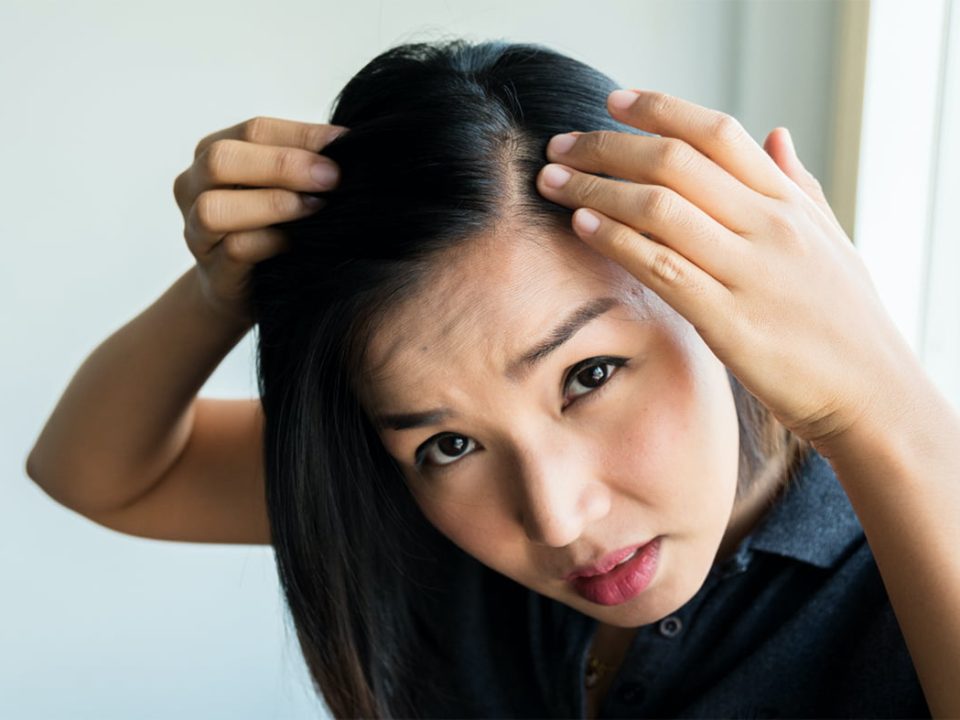
When freshly washed hair still feels heavy
Your washed hair has barely dried before it starts to feel flat again. You add dry shampoo before work, a styling product before dinner and another quick refresh the next morning. By the weekend, your hair feels coated rather than clean.
Scalp buildup is the result of accumulated oil, dirt and residue, including products left behind between washes. Removing it starts with reviewing what you apply and washing it off thoroughly. Scrubbing harder can irritate your scalp.
Here is how to improve your washing habits, reduce unnecessary product layers and recognise when to seek professional help from Yun Nam Hair Care.
What causes scalp buildup?
Dry shampoo, wax, gel, root spray, oils and leave-in products can accumulate when you keep applying them without thoroughly washing them off. Natural scalp oils and sweat can add to the coated feeling, particularly after an active day in Singapore’s heat.
The application itself matters too. A smoothing product intended for the lengths of the hair may backfire when applied to the roots, leaving them greasy or flat. Similarly, applying a rich conditioner to an already oily scalp can weigh down the hair instead of giving you the intended finish.
Review your hair-care routine and assess whether you are layering products without understanding how they work together. Keep the products that serve a clear purpose, apply them to the intended areas and use the recommended amounts.
Is it buildup, oiliness or dandruff?
These concerns can overlap. A coated feeling after styling may point to product residue. Roots that turn greasy even without styling products suggest excess oil, while recurring flakes may need a closer assessment.
Notice whether the problem improves after a thorough wash. If oiliness is the main concern, read why your scalp turns oily so fast after washing. If flakes are the issue, our dandruff and dry-scalp guide explains the differences.
Avoid scratching residue off with your nails. If the coated feeling or flaking keeps returning, a Yun Nam hair and scalp assessment can help you understand your condition and choose suitable care.

Five steps to remove buildup gently
1. Reduce unnecessary product layers
Choose the products you need for the day. You may not need root lift, wax and finishing spray together for a day at home. Start with the amount recommended on the label.
Changing one habit at a time makes the effect easier to assess. For example, keep a styling product intended for the hair lengths away from your scalp and see whether the heavy feeling improves.
2. Lather shampoo evenly across your scalp
Wet your hair thoroughly, then lather the shampoo evenly across your scalp. If your hair is thick, work through sections to reach the roots beneath the top layer. Massage gently with your fingertips, not your nails, and follow the product instructions.
Concentrating shampoo on the scalp helps remove accumulated oil and residue. Work the lather around your hairline, behind your ears and at the back of your head rather than only washing the visible top layer.
3. Rinse thoroughly
Work water through all areas of your scalp, especially behind the ears and at the back of your head. Rinse out shampoo fully before applying conditioner, and follow the conditioner’s application and rinsing directions.
A second shampoo is not necessary for everyone. Follow the product instructions and assess whether residue remains. A tight or stripped feeling is not an indication of cleanliness.
4. Use dry shampoo as a temporary refresh
Dry shampoo absorbs oil but does not replace washing with shampoo and water. Dermatologists recommend washing after one or two applications to remove accumulated product.
Follow the label, avoid repeatedly adding layers and stop using it if irritation develops.
5. Choose clarifying care suited to your scalp
Clarifying shampoos are designed to remove residue, but formulas differ. Check that a product suits your hair type, colour treatment and scalp condition, and follow its recommended frequency.
If your scalp is sensitive, itchy or inflamed, get advice before adding stronger cleansing products. Avoid scrubbing with abrasive ingredients or applying homemade mixtures of household acids and baking soda.
How can scalp buildup affect hair health?
Accumulated residue and excess oil can contribute to irritation and an unhealthy scalp environment. Persistent inflammation and scratching may contribute to hair damage or shedding. This is why removing buildup and caring for the scalp are important parts of a hair-care routine.
Yun Nam’s approach focuses on cleansing and caring for the scalp as part of personalised hair-loss care. If you notice reduced hair volume or a widening parting alongside buildup, its consultants can assess both concerns and recommend suitable treatment. The care plan should address your hair and scalp condition together.
A practical routine for busy days
After exercise or heavier styling, wash according to how oily or dirty your hair becomes and the instructions for your products. Rinse thoroughly and avoid covering residue with another layer of dry shampoo.
You do not need a daily diary. Start with one useful change, such as applying conditioner only where directed or taking more time to rinse. If buildup keeps returning, tell your Yun Nam consultant which products you use and what you have already tried.
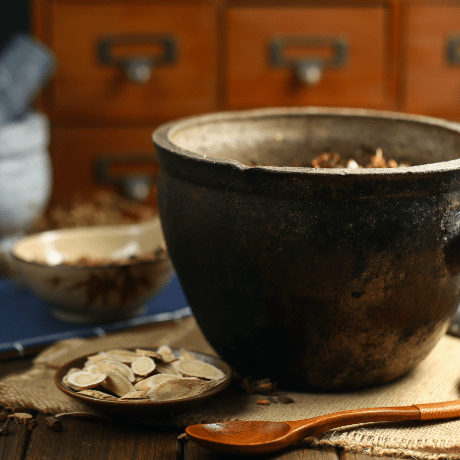
How Yun Nam’s herbal treatments support hair and scalp care
Yun Nam provides personalised herbal treatments, beginning with a consultation and computerised hair and scalp analysis. This helps the consultant assess visible buildup, oiliness and your hair concerns before recommending care.
Signature FASTGro™ combines customised herbal care with Yun Nam’s Stimulate, Stabilize and Strengthen approach. The programme is designed to care for the scalp environment, support hair growth and strengthen roots to help reduce hair fall.
For buildup concerns, Yun Nam’s herbal scalp-care approach includes deep cleansing to remove accumulated residue, followed by care to nourish and rebalance the scalp. Follow-up reviews help your consultant assess your response and keep the programme matched to your condition.
Key Takeaways
-
Scalp buildup includes accumulated oil, dirt and product residue.
-
Review product application habits, quantity and rinsing before adding more products.
-
Massage shampoo gently onto the scalp and rinse thoroughly.
-
Dry shampoo is a temporary refresh and still needs to be washed out.
-
Recurring buildup or changes in hair volume deserve assessment from professionals such as Yun Nam Hair Care.
Frequently Asked Questions
How often should I use clarifying shampoo?
Follow the product label and consider your hair and scalp condition. There is no universal frequency that suits everyone, particularly if your hair is coloured or your scalp is sensitive.
Should my scalp feel squeaky clean?
A clean scalp should feel fresh and comfortable, not tight or stripped. If washing leaves it feeling tight, review the formula, amount used and washing frequency.
Can conditioners cause buildup?
Using too much or applying conditioner to the wrong areas can contribute to residue and affect the intended results. Follow the instructions and apply it to the areas it is designed to condition.
How does removing buildup support hair growth?
Removing residue helps maintain a clean scalp and can reduce irritation associated with buildup. It is one part of caring for the scalp environment that supports healthy hair. If you also have thinning, Yun Nam can assess your hair and scalp and recommend a personalised programme; results depend on your condition.
Get personalised care for recurring scalp buildup
Book a Yun Nam consultation for a detailed, personalised hair and scalp analysis and a herbal care recommendation suited to your needs.