How to tell the two apart fast
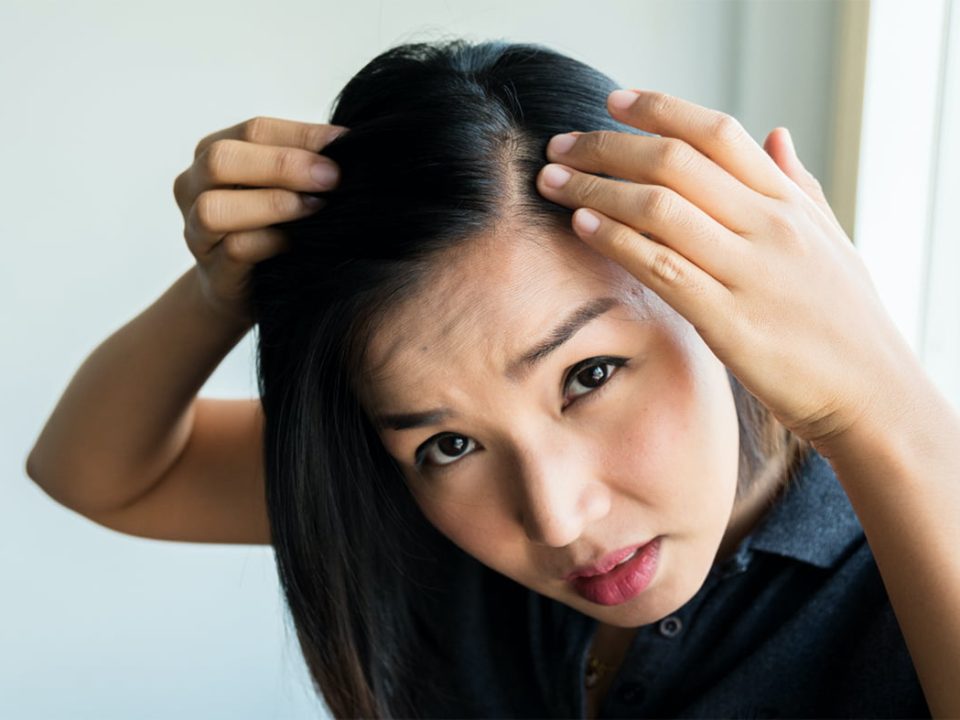
The single most useful check is the state of your scalp between the flakes. A dry, tight scalp with fine flakes points to dryness; an oily scalp with heavier, clumping flakes points to dandruff.
|
Sign |
Dry scalp |
Dandruff |
|
Flake size and colour |
Small, dry, white |
Larger, oily, yellowish |
|
How the flakes behave |
Fall away loosely |
Cling to hair and scalp |
|
How the scalp feels |
Tight and dry |
Oily, sometimes red |
|
The rest of your skin |
Often dry elsewhere too |
Often normal or oily |
|
Underlying cause |
Too little moisture |
Excess oil and Malassezia yeast |
The skin on other parts of your body is another clue. If your face tends to be dry, a dry scalp is most likely the cause, and vice versa.
What is a Dry Scalp?
A dry scalp develops when the skin on your head lacks moisture, resulting in itching, tightness, and flaking. Those flakes are a sign of skin that’s dehydrated rather than inflamed.
What is Dandruff?
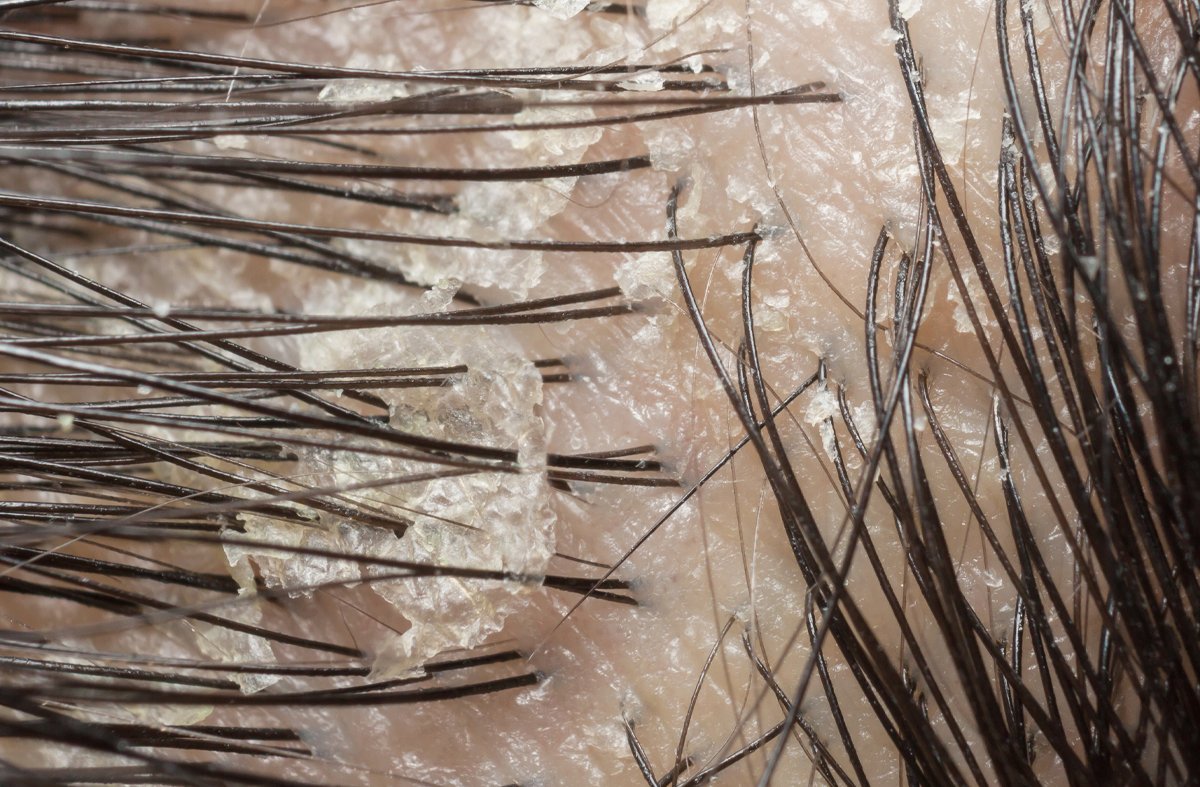
Dandruff is an oil-driven condition caused by an over-production of scalp sebum.. It’s linked to seborrheic dermatitis and an overgrowth of Malassezia, a yeast that lives on your scalp and feeds on its natural oils. As the yeast multiplies, skin cells shed faster and mix with the oils, causing large, greasy flakes that mark oily dandruff.
What causes a dry scalp
A dry scalp usually traces back to something that strips or starves the skin of moisture:
-
Low-humidity air — above all, long stretches in air-conditioned offices, bedrooms and the MRT
-
Harsh shampoos and styling products that strip natural oils
-
Washing too often, or with water that’s very hot
-
Ageing skin, which holds less moisture over time
The fix usually begins with what touches your scalp each day.
What causes dandruff
Dandruff builds from the opposite problem — too much oil for the Malassezia yeast to feed on:
-
Excess oil (sebum) sitting on the scalp, which Singapore’s heat and humidity encourage
-
An overgrowth of the Malassezia yeast
-
Hormonal shifts and periods of stress
-
Age, since dandruff often appears from adolescence onward
Because the driver is oil rather than dryness, treatment focuses on controlling oil production and killing the yeast.
How to treat a dry scalp
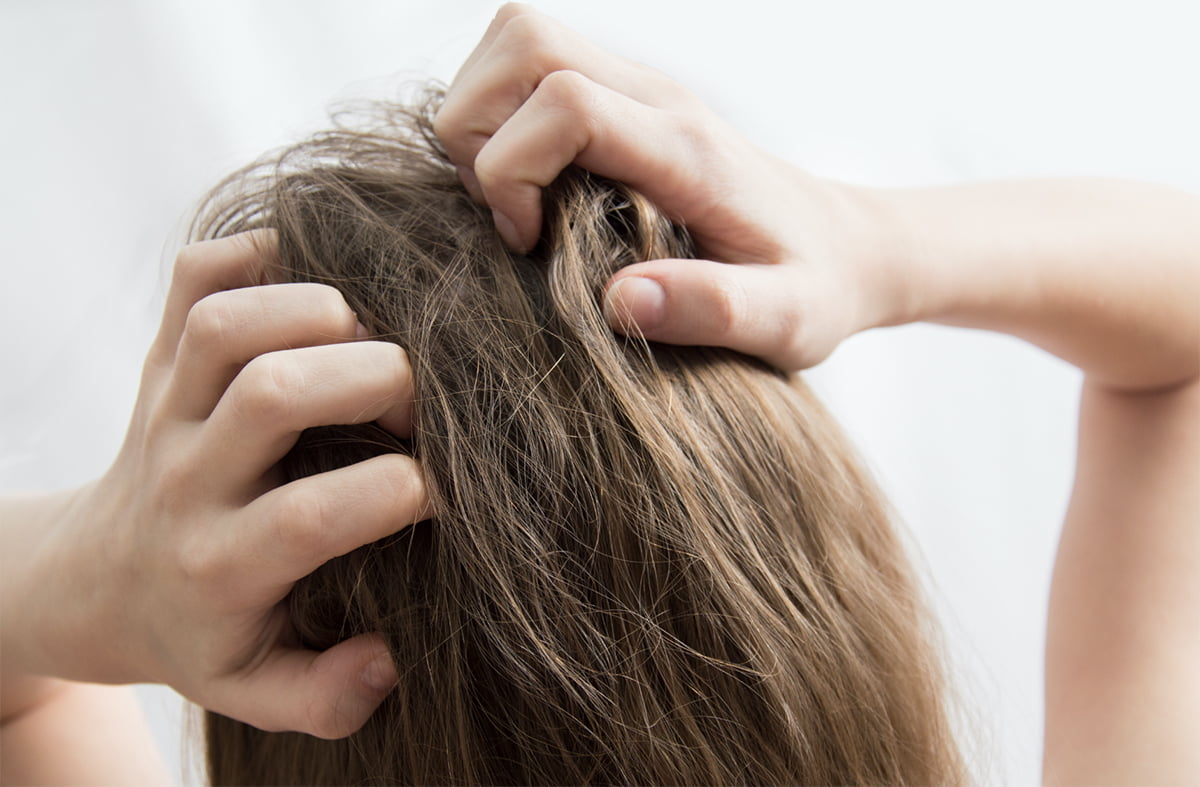
Since a dry scalp is short on moisture, treatment restores it and handles the scalp gently:
-
Switch to a mild, moisturising shampoo
-
Wash your hair once a day or once every two days to prevent moisture-stripping
-
Avoid hot water, which dries the skin further
-
Use a humidifier if you sleep or work in aircon for long hours
Then give the scalp time to recover its own balance
How to treat dandruff
Because it feeds on oil, rich oils make it worse, so the goal is to control the yeast with a medicated shampoo.
Other conditions that cause a flaky scalp
Not every flake is dandruff or a dry scalp. Psoriasis, a fungal infection called tinea capitis (scalp ringworm), eczema and contact dermatitis, and a sun-related change called actinic keratosis can all leave the scalp flaking (Cleveland Clinic — international). Product residue can also look like flaking on an oily scalp, which is worth ruling out first. For that, see clearing product buildup from an oily, flaky scalp and why your scalp turns oily so fast. When itching is the main complaint, what makes a scalp itch covers how to calm it.
How Singapore’s climate and aircon affect your scalp
Singapore’s climate pulls your scalp in two directions at once. The warm, humid air outdoors encourages the oil and yeast behind dandruff, while long hours in air-conditioned offices and bedrooms create the dry, low-humidity conditions that leave a scalp tight and flaking. Most of us move between the two environments several times a day — office, MRT, hawker centre, home. So a single scalp can show signs of both problems, and the flakes alone may not settle the question.
When the picture’s unclear, start with the gentler option. A mild, moisturising wash is a safe first step, because it won’t worsen a dry scalp while you watch how the flaking behaves. If your scalp stays oily and the flakes stay large and yellowish, treat it as dandruff instead.
When to see a professional
Most flaking eases with the right shampoo and a little patience. When over-the-counter treatments don’t work, consider seeing a hair care specialist like Yun Nam Hair Care. They’ve over 42 years of experience with hair and scalp issues and have helped more than 85,000 customers treat dandruff and other hair concerns with their fully customised award-winning herbal formulas.
Key Takeaways
-
A dry scalp shows small, dry, white flakes and a tight scalp; dandruff shows larger, oily, yellowish flakes on a greasy scalp.
-
A dry scalp comes from too little moisture; dandruff from excess oil and an overgrowth of Malassezia yeast.
-
Moisture soothes a dry scalp but feeds the yeast behind dandruff, so the right treatment depends on which one you have.
-
Treat a dry scalp with a mild, moisturising shampoo and less frequent washing.
-
Treat dandruff with a medicated shampoo (zinc pyrithione, selenium sulfide, ketoconazole, salicylic acid or coal tar) — easy to find at Watsons, Guardian or Unity.
-
In Singapore, humidity pushes a scalp toward dandruff while aircon dries it out, so yours may show signs of both.
-
See a doctor if the flaking doesn’t improve within a month, or if the scalp stays red, sore or swollen.
Frequently Asked Questions
How do I tell if I have dandruff or just dry scalp?
Look at the flakes and the scalp beneath them. A dry scalp gives small, dry, white flakes and a tight feeling; dandruff gives larger, oily, yellowish flakes on a greasy scalp. Your skin elsewhere is another guide — dry skin points to a dry scalp, oily skin to dandruff.
How do I get rid of a dry scalp?
Restore moisture and treat the scalp gently. Switch to a mild, moisturising shampoo and wash less often, so your scalp keeps its natural oils. Avoiding very hot water and using a humidifier in aircon spaces also help — useful in Singapore, where we spend so much of the day in air-conditioning.
What naturally kills dandruff?
Dandruff is driven by oil and the Malassezia yeast, so heavy natural oils can feed it and make it worse. Some people use tea tree oil, but a medicated shampoo with a proven active ingredient is more reliable (Healthline — international). Confirm what suits your scalp with a doctor or scalp specialist.
Should I wash my hair if my scalp is flaky?
Yes, though how you wash depends on the cause. For dandruff, washing regularly with a medicated shampoo helps control the yeast; for a dry scalp, washing less often with a gentle, moisturising shampoo prevents further drying. Stopping washing altogether tends to worsen both.
Have your scalp assessed by a specialist
Yun Nam Hair Care offers herbal, drug-free scalp treatments for dry scalp and dandruff, drawing on Traditional Chinese Medicine refined with modern technology. A consultation can identify what’s behind your flaking and match a treatment to your scalp.