Oily again by tomorrow? There’s a reason
Your scalp naturally produces sebum, an oil that helps protect the skin and keeps hair from drying out. When oil builds up quickly, your roots can look flat and greasy within a day of washing. Sweat and product residue can add to this feeling in Singapore’s humid climate, even with regular cleansing.
Managing oiliness can improve hair appearance and scalp comfort. If it occurs alongside itching, dandruff or increased shedding, those concerns deserve attention too. Oiliness alone does not establish the cause of hair loss. The full picture is in the oily scalp and hair loss guide.
Why your roots become oily quickly
Several factors can affect sebum production or make existing oil more noticeable. Identifying which apply to you helps you choose a suitable routine.
Singapore’s heat and humidity. Sweat can mix with sebum and residue, making the roots feel greasy sooner. This is especially noticeable after exercising or spending time outdoors.
Harsh washing. Scrubbing hard or using very hot water can irritate the scalp. Use lukewarm water and gentle fingertip massage; oily hair may still benefit from daily washing with a suitable shampoo.
The wrong products. Heavy conditioners, oils or silicones near the roots leave residue that looks and feels like fast oil. Buildup is a common culprit — see how to clear product buildup.
Hormones and genetics. Hormones called androgens influence oil production. Hormonal changes and inherited differences help explain why some people naturally have oilier scalps than others.
Heat trapped against the scalp. Prolonged use of caps or helmets can trap heat and sweat, making the scalp feel greasier. Keep headwear clean and allow the scalp to dry when practical.
Your routine may need to address more than one factor, such as natural oil production, sweat and product buildup.
Choose a washing frequency that suits your scalp and pick the right shampoo for your hair type and concerns.
When an oily scalp becomes a hair problem
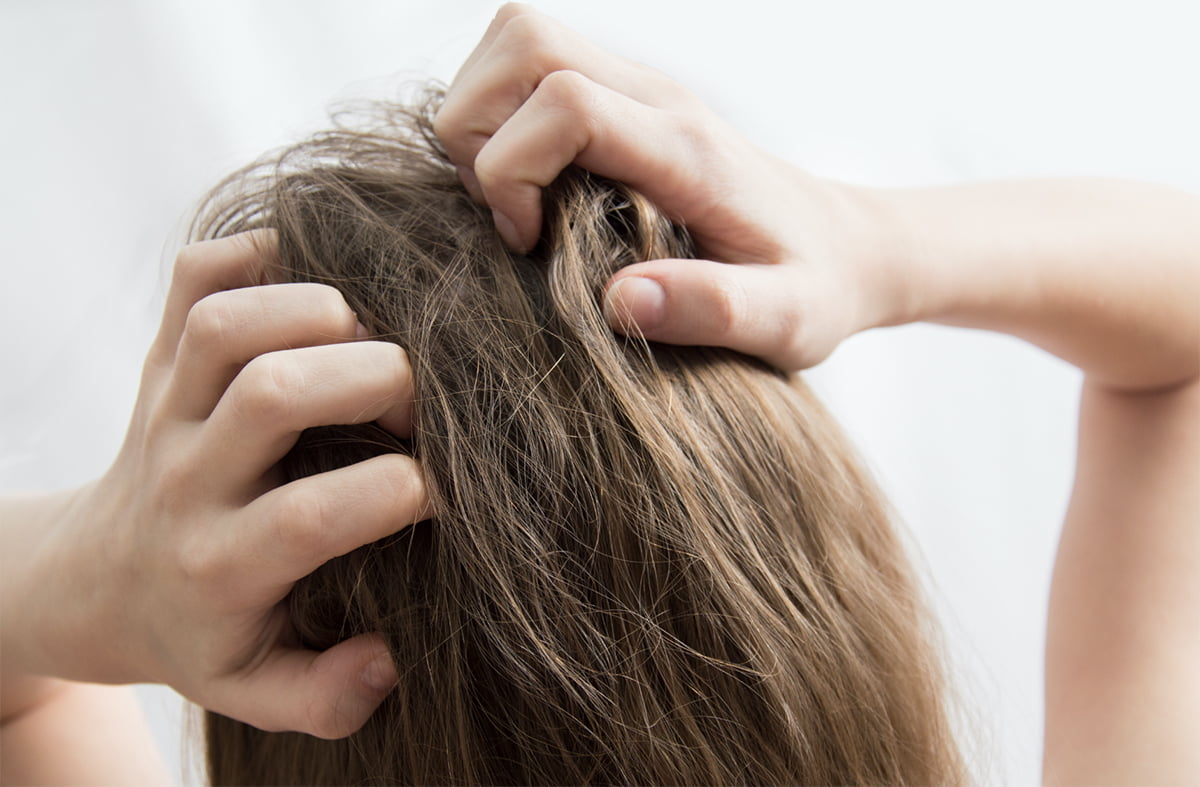
Oil and product buildup can leave hair flat and the scalp uncomfortable. Oiliness may also occur alongside dandruff and itching. Scratching an irritated scalp can damage hair; persistent inflammation or increased shedding should be assessed by a doctor.
How to rebalance it
The aim is to soothe the scalp and manage excess oil with consistent, suitable care.
Wash regularly and gently. Use a gentle shampoo, massage with your fingertips rather than nails, and rinse with lukewarm water. Daily washing may suit oily hair in Singapore’s humid climate; adjust the frequency if your scalp or hair becomes dry.
Clarify occasionally, not constantly. A clarifying shampoo can remove product residue when needed. Follow its directions and avoid using it so often that your hair becomes dry or your scalp feels irritated.
Keep the roots product-free. Condition your ends, not your scalp, and skip heavy oils near the roots.
Treat the scalp, not just the surface. If your scalp stays oily and congested no matter what you do, the answer is a holistic approach that rebalances it at the source. Yun Nam’s Signature FASTGro™ is designed to do just that — deep-cleansing and rebalancing an oily, itchy scalp with a herbal, drug-free method.
The takeaway: you can’t scrub an oily scalp into submission — you rebalance it, gently and consistently.
Key Takeaways
-
A scalp can feel oily within a day because of sebum, sweat or residue, even after thorough cleansing.
-
Hormones and genetics affect oil production; sweat, humidity and heavy products can make roots feel greasier.
-
Gentle daily washing can suit oily hair. Avoid harsh scrubbing and very hot water.
-
Persistent oiliness with dandruff, itching or shedding may need assessment to identify the underlying concern.
-
Rebalance it with gentle washing, occasional clarifying, root-free conditioning, and holistic treatment if it persists.
Frequently Asked Questions
Is it bad to wash oily hair every day?
Daily washing with a suitable shampoo can be helpful for oily hair, especially after sweating in Singapore’s humid climate. Use gentle fingertip massage and lukewarm water, and adjust your routine if dryness or irritation develops.
Why is my scalp oily again so soon after washing?
Natural oil production, sweat and product residue can make roots feel greasy soon after washing. Hormones and genetics influence sebum levels, while heavy products add residue. Match your shampoo and washing frequency to your hair type, and seek advice if oiliness comes with persistent itching or shedding.
Does an oily scalp cause hair loss?
Oiliness alone does not explain pattern hair loss. It may occur alongside dandruff or inflammation, and scratching can contribute to breakage. Managing these concerns supports scalp comfort and hair care; persistent hair loss needs assessment of its cause.
What’s the best way to control scalp oil in Singapore’s humidity?
Wash gently and regularly with a suitable shampoo, keep heavy products off your roots, and try to let the scalp cool and breathe rather than trapping heat under caps or helmets. If it stays stubbornly oily, an assessment can help review your routine and visible concerns.
Tired of a scalp that’s oily by lunchtime?
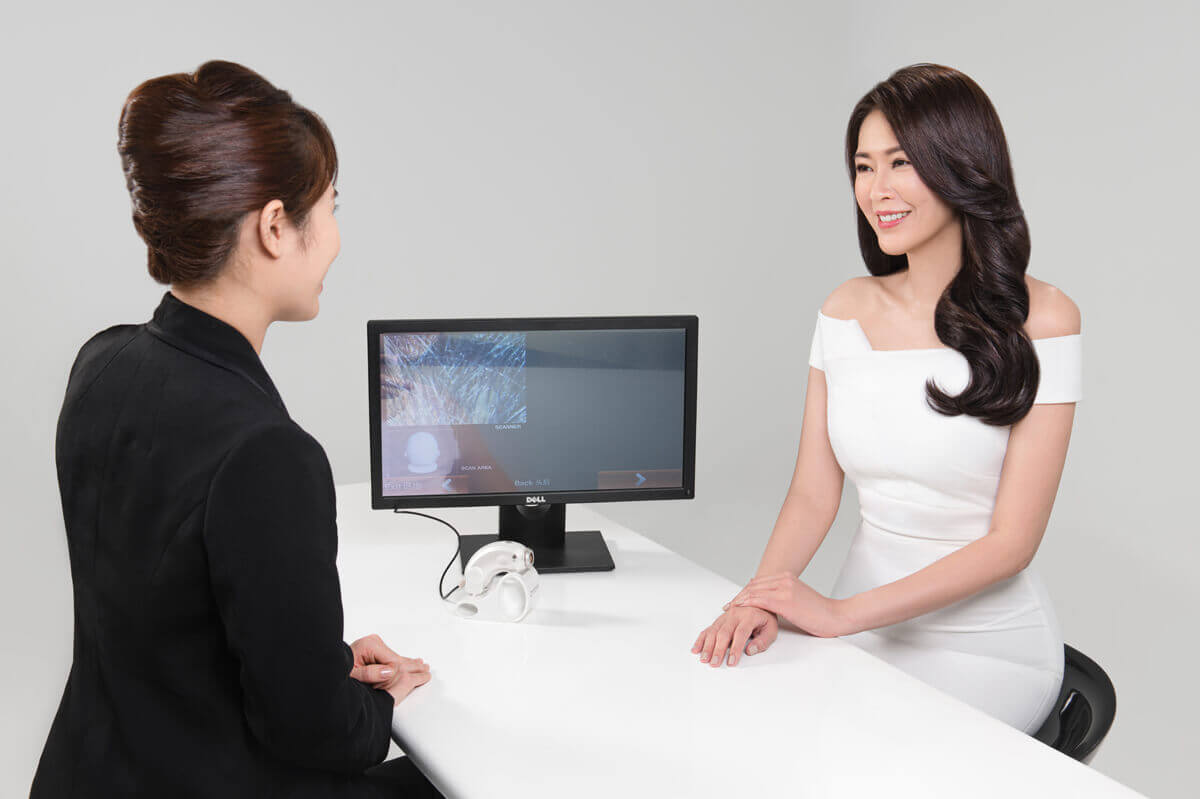
A hair and scalp assessment by Yun Nam Hair Care can review visible oiliness, your hair concerns and your current routine, then discuss whether a customised herbal programme suits your needs.
Book a hair and scalp assessment
Sources
-
HealthHub, Singapore (healthhub.sg) — scalp and hair care
-
American Academy of Dermatology (aad.org) — oily scalp and sebum
-
DermNet — seborrhoea and scalp health