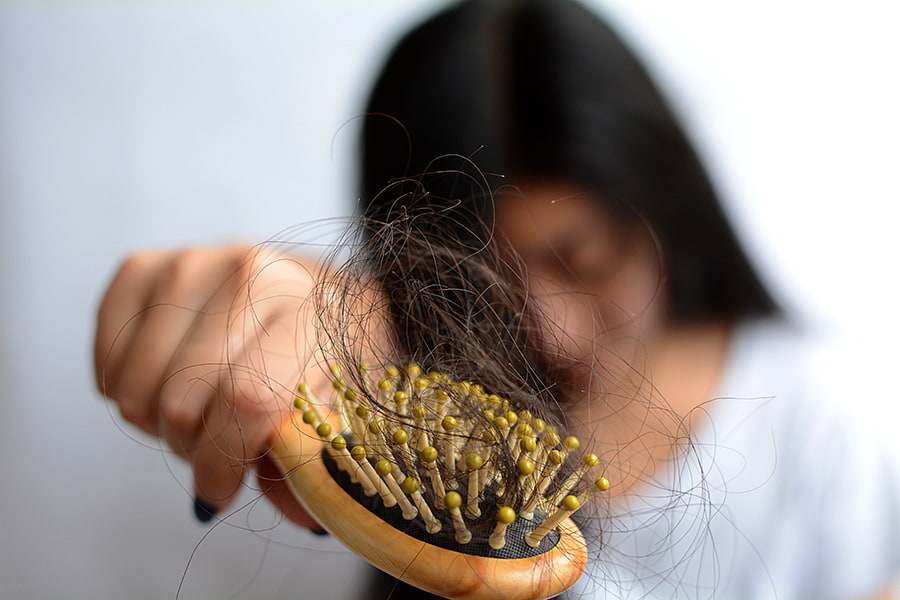
Treatment or transplant? Start with your stage
It’s one of the first questions people ask once hair loss becomes hard to ignore: do I treat it, or do I go for a transplant? The honest answer is that they solve different problems. Non-surgical treatment works to keep and strengthen the hair you still have; a transplant relocates hair to areas where it’s already gone.
Which one fits comes down to how far your hair loss has progressed and whether your follicles are still active. Before comparing anything else, it helps to understand your options for hair loss treatment and where surgery sits alongside them.
The key question: what is causing your hair loss?
The cause, pattern and duration of hair loss matter more than appearance alone. A smooth bald patch does not necessarily mean the follicles are permanently lost. A doctor can identify the condition and discuss treatments that may support regrowth, while a transplant requires suitable donor hair and a healthy recipient area.
That’s exactly why an assessment comes first, and why catching loss at the early signs stage can help you understand the cause sooner and retain more treatment options.

What non-surgical treatment offers
Non-surgical options aim to manage hair loss and support the hair you still have. The appropriate approach depends on the cause.
How it works. It supports the scalp and follicles you already have — herbal care focuses on cleansing, conditioning and a personalised care routine, while medical treatments target specific causes of hair loss.
Best for. Early-to-moderate thinning where follicles are still active, depending on the cause. Herbal care may also address accompanying oiliness or buildup.
Downtime. Non-invasive herbal sessions generally fit around daily activities. Recovery and side effects vary for medical treatments.
Cost pattern. Ongoing and course-based rather than a single cost — there’s a full breakdown in what a hair loss treatment course costs in Singapore.
The catch. Results depend on the diagnosis and the treatment. Ongoing care may be needed, and a herbal programme cannot be assumed to reverse permanent follicle loss.
In short: best when there’s still hair to save.
What a hair transplant offers
A transplant is the route for hair that’s already gone. It’s a bigger step, and worth understanding fully.
How it works. A surgeon moves your own follicles from the back and sides — where hair is genetically resistant to loss — into the thinning or bald areas.
Best for. Advanced, stable pattern loss with a defined bald area and enough donor hair to move. It redistributes existing follicles to support new hair growth in the treated area; it does not create additional follicles.
Downtime. It’s surgery. Expect a recovery period, a shedding phase afterwards, and results that often become visible after six to nine months, with some people needing 12 months.
Cost pattern. A large, mostly one-time cost rather than a recurring bill.
The catch. It doesn’t stop your existing hair from thinning further. Many people still need ongoing treatment to protect the native hair around a transplant.
In short: powerful for a bald area, but not a substitute for looking after the rest.
They’re not always either/or
It’s easy to frame this as a straight choice, but in practice the two often work together. Plenty of people use treatment to protect and strengthen the hair they have, and consider a transplant later — or only for a specific area — if they need it.
Appropriate treatment may help some people manage hair loss without surgery, but this depends on the diagnosis and response. An independent medical assessment can help you compare non-surgical options and a transplant without assuming either is necessary.

How to decide
If you’re weighing it up, work through it in this order rather than starting from the price tag.
Get assessed first. A medical assessment can investigate the cause and extent of hair loss. A non-medical scalp scan can document visible concerns, but cannot establish every cause or determine surgical suitability.
Match the choice to your stage. Early-to-moderate thinning usually calls for treatment first; a large, stable bald area is where a transplant earns its place.
Weigh cost and downtime honestly. A transplant is a bigger upfront commitment with real recovery; non-invasive treatment avoids surgery but generally requires consistent sessions.
Think long-term. Hair loss can worsen, so both routes are worth considering depending on your concern and goals. It’s also worth reading how to choose a hair loss treatment clinic in Singapore before you make a decision.
Get the diagnosis first, and the right choice usually makes itself clear.
Where Yun Nam fits
Yun Nam sits on the non-surgical side: a herbal, drug-free, non-invasive approach, matched to your scalp after an assessment. It suits people who want to protect and strengthen existing hair, or who simply aren’t ready for surgery. If you’d like to know more about this option, are herbal hair loss treatments safe for your scalp is a good next read.
A herbal programme is a non-medical service. Sudden bald patches or unexplained shedding should be assessed by a doctor, who can advise whether medical treatment or a surgical consultation is appropriate.
Key Takeaways
-
Treatment keeps and strengthens the hair you have; a transplant relocates hair to areas that are already bald.
-
The cause and stage of hair loss guide the choice; seek a medical diagnosis where needed.
-
Non-surgical options vary in suitability, results, side effects and ongoing cost.
-
A transplant suits advanced, stable loss, involves surgery and recovery, and is a large one-time cost.
-
The two often work together — early treatment can delay or reduce the need for surgery.
-
Catching hair loss early keeps the widest range of options open.
Frequently Asked Questions
Is a hair transplant permanent?
The transplanted hair is taken from areas resistant to hair loss, so it tends to last. But a transplant doesn’t stop the rest of your hair from thinning, so you may still need treatment to protect your native hair and keep the overall result looking natural over time.
Can I avoid a transplant if I start treatment early?
Possibly, depending on the cause and your response to an appropriate treatment. Early assessment helps you understand the options, but no programme can guarantee that you will avoid a transplant.
Which is cheaper, treatment or a transplant?
They’re priced differently. Treatment is a smaller recurring cost that continues over time; a transplant is a large, mostly one-off cost. Over many years the totals can converge, so the better question is which suits your stage — the cost guide breaks down the numbers.
Do I still need treatment after a transplant?
Usually, yes. A transplant fills in a bald area but doesn’t protect the hair around it from thinning further, so many people continue treatment afterwards to keep the surrounding hair healthy and the result looking even.
Not sure which route fits your stage?
Start by discussing your hair-loss history and goals. Yun Nam offers a consultation on its non-invasive herbal care programme. For a diagnosis or advice on transplant suitability, arrange an assessment with a qualified doctor.
Book a hair and scalp assessment
Sources
-
American Academy of Dermatology (aad.org) — hair transplants and treatment options
-
HealthHub, Singapore (healthhub.sg) — hair loss
-
DermNet — androgenetic alopecia and management