Your hair can react after a stressful period has passed
Yes, significant stress can lead to increased hair shedding. The confusing part is the timing: you may notice more hair coming away well after the difficult period has ended. A deadline is behind you, life feels more settled, and yet your shower drain suddenly looks fuller.
One possible explanation is telogen effluvium, a temporary change in the hair growth cycle. According to National University Hospital’s guide to hair loss, it commonly appears two to four months after triggers such as illness, childbirth, surgery, physical or emotional stress, and crash dieting.
That delay makes the connection easy to miss. But stress is only one possibility, and a busy month alone doesn’t establish the cause. If you’re also noticing a receding hairline or a widening parting, it helps to understand male and female pattern hair loss alongside temporary shedding.
Why shedding can start months later
Hair naturally goes through a cycle of growth, rest, and shedding. Since not all hair follicles follow the same cycle at the same time, losing some hair every day is normal.
However, telogen effluvium happens when more hair follicles than usual enter the resting phase, often triggered by factors such as illness, stress, or changes in your health. The hair doesn’t fall out immediately. Instead, increased shedding may only become noticeable a few months later, especially when washing or brushing your hair.
If you’re experiencing sudden or excessive hair loss, think about any major changes to your health or lifestyle over the past few months, rather than just recent events. Keeping track of these changes can help a hair care professional better understand the possible causes of your hair loss and recommend suitable next steps.
What stress-related shedding can look like
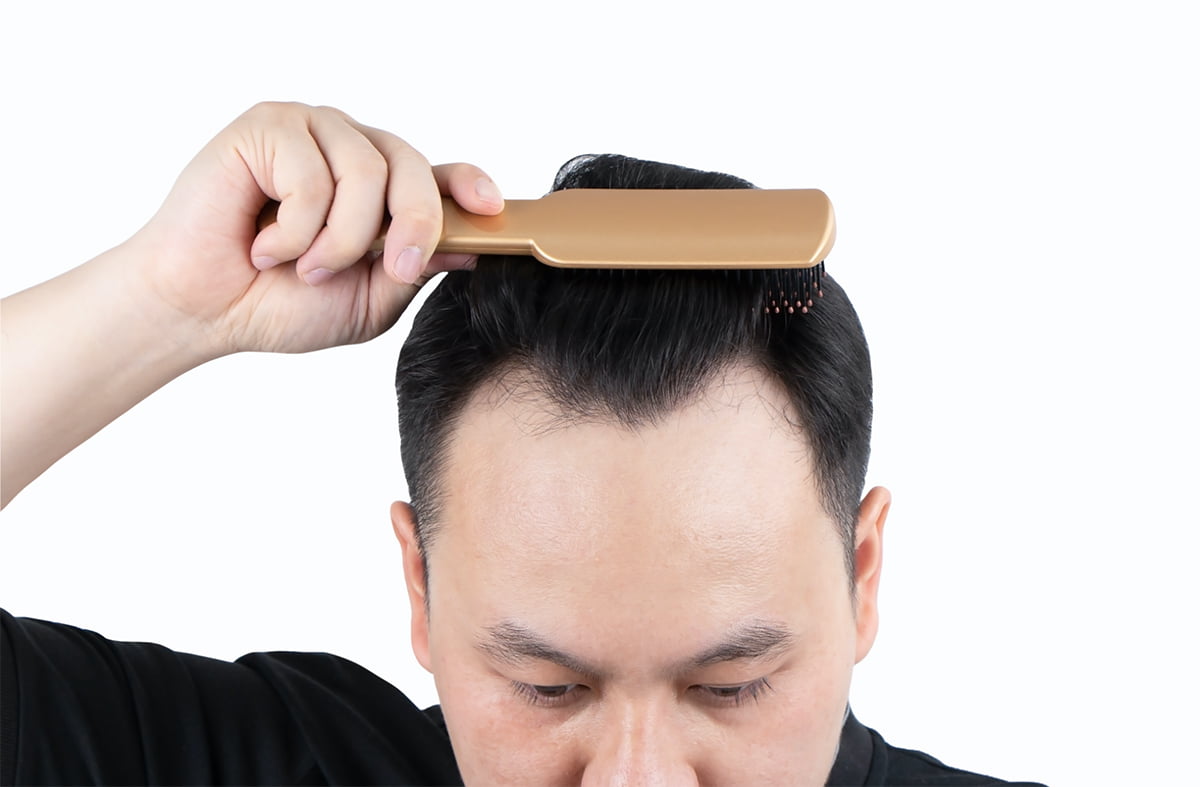
Hair shedding caused by telogen effluvium usually affects the entire scalp rather than one specific area. You may notice more hair falling out when brushing or washing, more loose strands on your clothes or bathroom floor, or that your ponytail feels thinner than before. However, if you notice a distinct, round bald patch, it may be a sign of a different type of hair loss and should be assessed by a healthcare professional.
The amount of hair you lose during a shower can sometimes seem more alarming than it actually is. For example, if you haven’t washed your hair for a few days, loose strands may accumulate and fall out together during your next wash. Longer hair can also make the amount of shedding appear greater. Instead of focusing on a single wash, pay attention to whether you’re consistently losing more hair than usual.
If you’re concerned about excessive hair shedding, keep track of when it started, whether the thinning affects your entire scalp, and whether you’ve noticed any changes to your scalp condition. These observations can help a hair care professional better understand your concerns and identify possible causes of your hair loss.
How it differs from gradual pattern thinning
Temporary shedding and inherited thinning can overlap. The following clues help you describe the problem, but they aren’t a diagnosis.
|
What you notice |
Temporary shedding |
Pattern thinning |
|
How it begins |
A noticeable increase, sometimes after a trigger |
Usually a gradual change over time |
|
Where it shows |
Often across the scalp |
Commonly the temples, crown or central parting |
|
The main change |
More hair fall |
Progressively finer hair and more hair fall |
|
What happens next |
May resolve on its own once the trigger is dealt with |
Often needs ongoing management |
A dermatologist can tell whether you’re dealing with one type of hair loss or both. This is important because even if your hair shedding improves after a stressful period, it may not explain why your hair parting has been gradually widening over the years.
If possible, bring along older photos to your consultation. Everyday pictures, such as family photos or work headshots, can help show how your hair has changed over time. Comparing these with your current hair condition can help a hair care professional better understand your hair loss history and identify possible causes.
Will the hair grow back
The good news is that hair loss caused by telogen effluvium is often temporary. Once the underlying trigger, such as stress or illness, has been resolved, your hair may gradually return to its normal growth cycle.
However, recovery takes time. You may first notice less hair falling out before seeing improvements in your hair’s thickness and fullness.
According to the American Academy of Dermatology, hair often regains its normal fullness within six to nine months as the body recovers. However, recovery times vary depending on your health, stress levels, and whether other hair loss conditions are present.
To monitor your progress, take a photo of your hair every few weeks. Try to use the same lighting, camera angle, and hair parting each time for a more accurate comparison.
If your hair continues to thin or you are concerned about your recovery, consult a doctor to better understand the possible causes.
What you can do while your hair recovers
Identify possible triggers
Start by thinking about any significant changes to your health or lifestyle in the months before your hair shedding began.
Common triggers include:
-
High levels of stress or emotional distress
-
Illness, fever, or surgery
-
Sudden weight loss or major dietary changes
-
Certain medications
-
Significant physical or hormonal changes
For example, if you’ve been experiencing prolonged stress from work or family responsibilities, it may be contributing to your hair shedding.
Try to identify the possible triggers and make manageable lifestyle adjustments, such as getting enough rest, eating regularly, and finding ways to reduce stress.
If you suspect that medication may be causing your hair loss, consult your doctor before making any changes.
Keep meals regular and varied
Your hair needs sufficient nutrients to support healthy growth. Make sure you’re eating regular, balanced meals that include protein, vitamins, and minerals.
Some nutritious foods to include are:
-
Protein: Fish, chicken, eggs, tofu, and beans
-
Iron-rich foods: Lean meat, spinach, and legumes
-
Zinc sources: Nuts, seeds, and seafood
-
Vitamin-rich foods: Fruits and vegetables
Avoid crash diets or skipping meals, as inadequate nutrition may contribute to hair shedding. Hair supplements are not always necessary. If you suspect a nutritional deficiency, consult a doctor to determine whether testing or supplements are appropriate.
Wash and handle your hair gently
When you’re experiencing excessive hair shedding, it’s natural to feel worried about washing or brushing your hair. Avoid over-washing or washing in hot water, massage your scalp with your fingertips, and detangle without pulling. Ease off tight ponytails and repeated high-heat styling if your hair is fragile.
In Singapore’s hot and humid weather, regular cleansing may also be important, especially if you sweat frequently. Choose a washing routine based on your scalp’s needs rather than following a fixed schedule.
If you’re also experiencing itchiness, flakes, or dandruff, you can learn more about Yun Nam’s dandruff care solutions.
Monitor your hair loss periodically
It can be tempting to count every strand of hair that falls out, especially when you’re worried about thinning hair. However, constantly checking your hair can increase anxiety without giving you a clear picture of your progress.
Instead, take a photo of your hair every few weeks using the same lighting, hairstyle, and camera angle. Pay attention to whether your hair shedding appears to be improving or getting worse, and make a note of any new scalp symptoms, such as itching or irritation.
Over time, these records can help you identify changes in your hair condition.
They can also provide useful information when discussing your concerns with a healthcare professional.
When to see a doctor
Although stress-related hair shedding often improves over time, not all hair loss is caused by stress. You should consider seeking medical advice if you experience sudden or excessive hair shedding, hair loss that continues without improvement, noticeable bald patches, or scalp pain, redness, sores, or inflammation.
Hair thinning accompanied by unusual tiredness, significant weight changes, or other unexplained symptoms should also be assessed by a healthcare professional.
A GP, polyclinic doctor, or dermatologist can assess your symptoms, review your medical history, and recommend further tests if necessary.
It’s also helpful to mention any new medications, hair products, or treatments you’ve recently started using.
Where Yun Nam can fit into your care
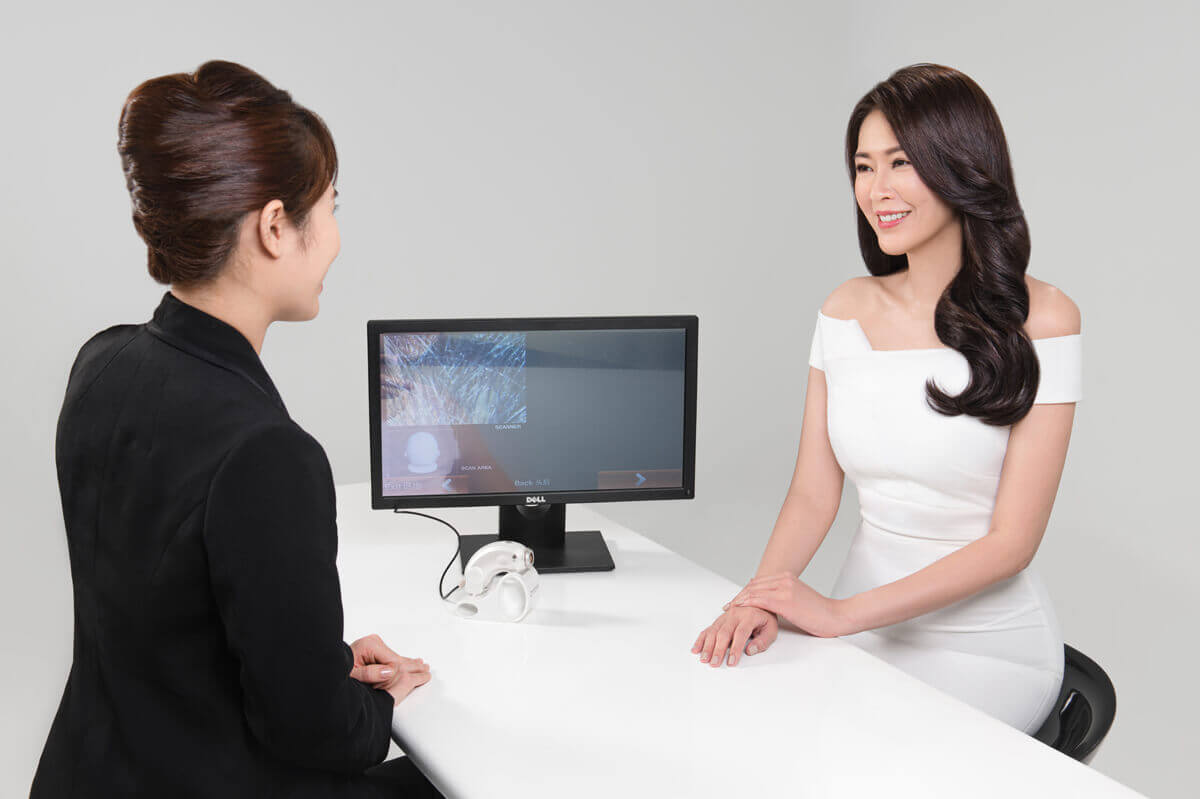
If you’re concerned about hair thinning, excessive hair fall, or your scalp condition, Yun Nam Hair Care offers personalised hair and scalp consultations to help you better understand your concerns. Yun Nam’s Signature FASTGro™ programme begins with a personal consultation to understand your hair loss concerns and lifestyle habits.
This is followed by a computerised scalp analysis to examine visible hair and scalp conditions. Based on the assessment, a customised herbal hair care programme may be recommended to address your individual concerns. Regular monitoring of progress is also conducted and treatment will be adjusted accordingly.
While a scalp analysis can help identify visible hair and scalp concerns, it cannot confirm whether stress, hormonal changes, or medical conditions are causing your hair loss.
If the underlying cause is unclear, a medical assessment may also be necessary.
Key Takeaways
-
Stress can contribute to hair loss. Significant physical or emotional stress may trigger excessive hair shedding, often appearing several months after the event.
-
Stress-related hair loss is often temporary. Hair may gradually recover once the underlying trigger has been resolved, although recovery times vary.
-
Different hair loss patterns may have different causes. General thinning across the scalp may be linked to telogen effluvium, while a widening hair part or receding hairline may suggest another type of hair loss.
-
Healthy daily habits can support hair recovery. Balanced meals, adequate rest, and gentle hair care can help maintain overall hair and scalp health.
-
Monitoring your hair condition over time is important. Taking regular photos can help you identify changes without constantly counting fallen strands.
-
Unusual or persistent hair loss should be assessed by a doctor. Sudden, patchy, painful, or unexplained hair loss may require medical attention.
-
Personalised scalp care can support your hair care routine. A consultation can help you understand your visible hair and scalp concerns while medical professionals investigate any underlying health conditions.
Frequently Asked Questions
Can stress make hair fall out straight away?
With telogen effluvium, excessive hair shedding usually becomes noticeable a few months after a stressful event or other trigger. However, sudden hair loss, bald patches, or increased shedding after using a new hair product may have other causes and should not automatically be linked to stress.
How do I know whether stress is the cause?
Stress-related hair loss often causes increased shedding across the scalp, usually a few months after a stressful event. However, these signs alone cannot confirm the cause. Share your medical history, medications, and recent lifestyle changes with a doctor, especially if you’ve noticed ongoing thinning or scalp problems.
Will changing shampoo stop stress-related shedding?
A suitable shampoo can help keep your scalp clean and healthy, but changing shampoo alone may not stop stress-related hair loss. Choose a product that suits your scalp condition and focus on addressing the underlying cause. Avoid switching products too frequently, as this may make scalp irritation harder to identify.
Should I book a scalp consultation or see a doctor first?
If you’re experiencing sudden, severe, patchy, or unexplained hair loss, or scalp pain and inflammation, consult a doctor first. A scalp consultation can help assess visible hair and scalp concerns, recommend suitable care, and complement medical advice when needed.
Understand what has changed in your hair
If you’re concerned about hair shedding or thinning, visit Yun Nam Hair Care for a personalised scalp consultation. Bring along previous photos and share any changes you’ve noticed, including oiliness, dandruff, or sensitivity, to help our consultants better understand your hair and scalp concerns.